
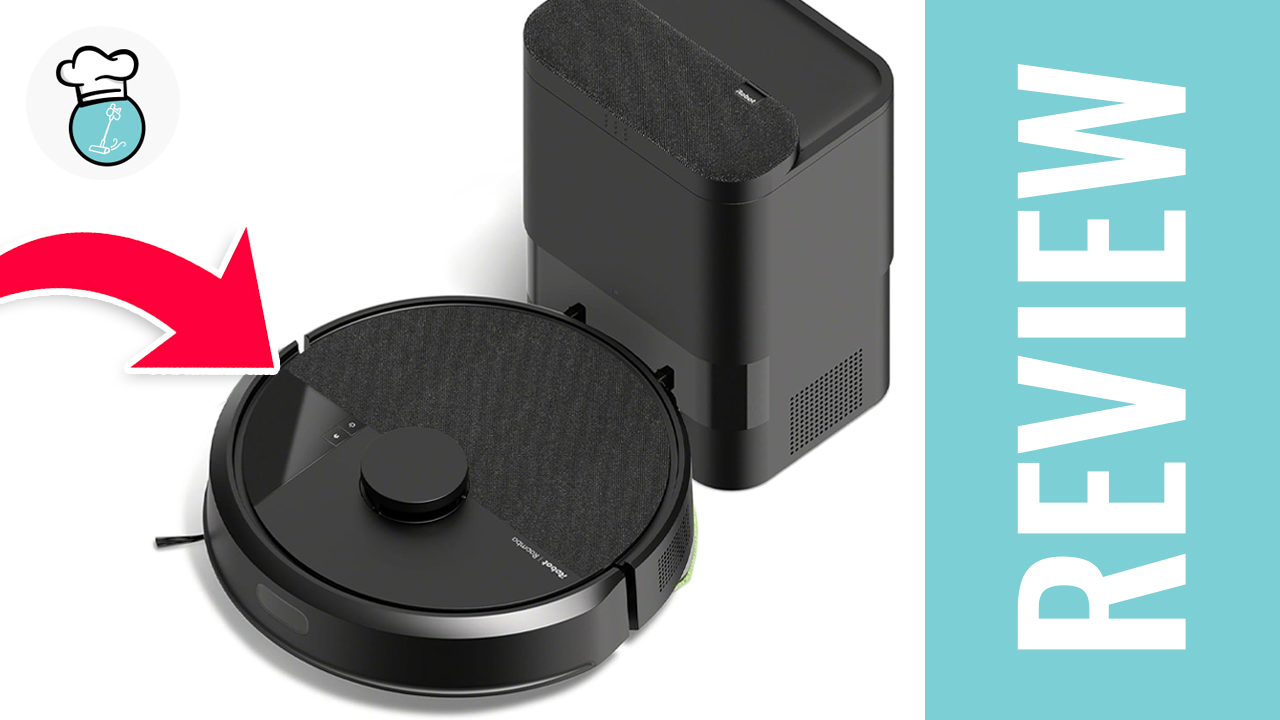
Today we’re taking a closer look at the iRobot Roomba 105, the non-mopping version of iRobot’s latest entry-level robot vacuum. If you’ve already seen our review of the Roomba 105 Combo, nearly everything here will feel familiar since the two models are essentially identical aside from the missing mopping functionality.
We compared the Roomba 105 against the 100+ robot vacuums we’ve tested on the channel to see how it stacks up in terms of cleaning performance, navigation, usability, and overall value. Big thanks to iRobot for sending the unit over for testing, though this review is not sponsored. As always, all opinions are based entirely on our hands-on testing and real-world experience.
iRobot Roomba 105 Vac Robot Vacuum with AutoEmpty Dock - Self-Empties for 75 Days, Easy to use, Intense Power-Lifting Suction, LiDAR Navigation, Multi-Surface Cleaning, Cleans in Neat Rows
- Powerful suction
- Hands-free emptying
- LiDAR navigation
- Versatile controls
- Basic obstacle avoidance
- Lacks advanced mopping
- Battery efficiency

Unboxing and Setup
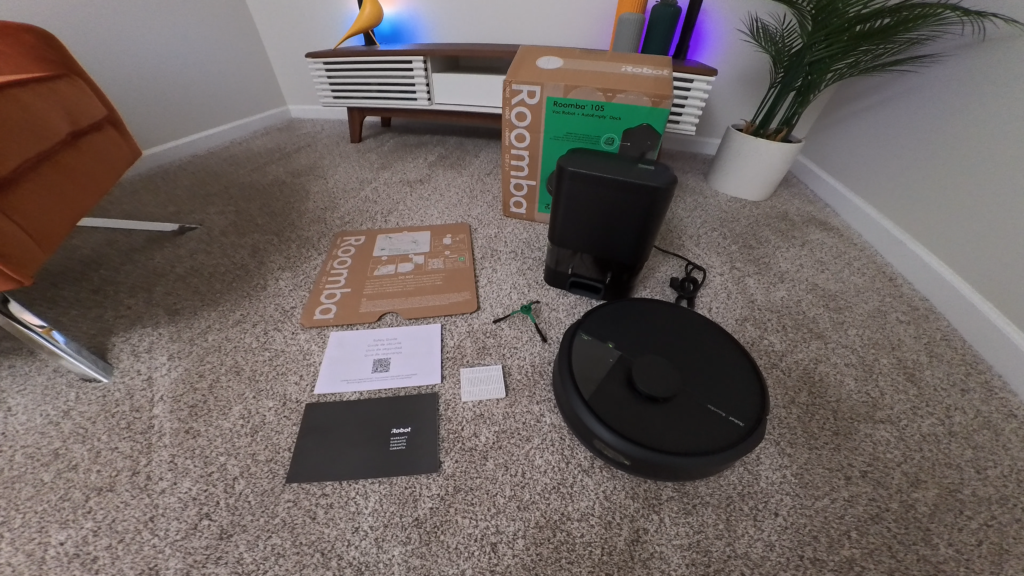
Inside the box, you’ll find the robot vacuum itself, a charging dock with a power cord, an extra dustbin filter, and the standard documentation. Setup is refreshingly simple. After plugging in the dock and charging the robot, you’ll connect it to the iRobot Home app on either iOS or Android, and from there the robot is ready to begin mapping your home.
One important detail for longtime Roomba owners is that iRobot now uses two separate apps. Older models, such as the j-series and 600-series, still rely on the “Home App Classic,” while newer devices like the Roomba 105 use the updated app. Your account transfers seamlessly between the two, but you’ll still need both applications if you own a mix of older and newer products.
Unfortunately, this is also where some of the biggest frustrations begin.
The App Experience Still Needs Work
While the Roomba 105 hardware shows clear improvements, the software experience feels surprisingly rough around the edges. The new app isn’t particularly intuitive, and in some cases it actually feels harder to navigate than the older version. Menus can feel cluttered, certain settings take more taps than they should, and overall responsiveness isn’t always consistent.
For users who simply schedule cleanings and rarely touch the app afterward, this may not be a major issue. But for anyone who frequently creates custom cleaning zones, adjusts settings, or manages multiple maps, the app can quickly become frustrating. That’s disappointing because software plays such a huge role in the overall robot vacuum experience. A polished app can make a budget vacuum feel premium, while a clunky interface can drag down an otherwise capable machine.
Design and Navigation Improvements
Right out of the box, one of the most noticeable upgrades is the addition of LiDAR navigation. It’s genuinely exciting to finally see this type of navigation system included on a more affordable Roomba model, especially considering how far behind iRobot had fallen in this area compared to competitors.
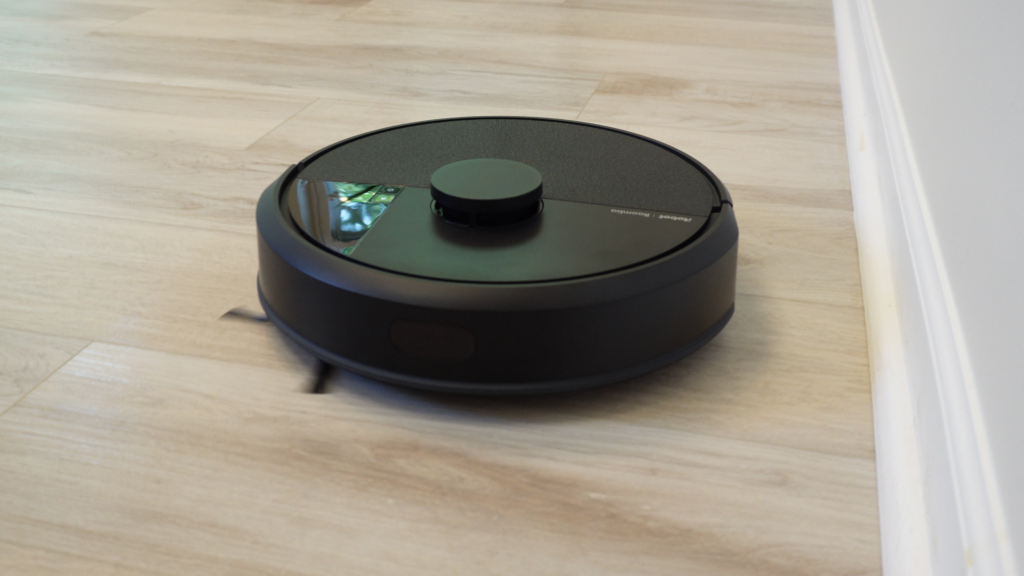
The Roomba 105 still maintains iRobot’s familiar design language with clean lines, solid construction, and a polished overall appearance. It immediately feels recognizable as a Roomba, and build quality remains one of iRobot’s strengths.
More importantly, mapping performance has improved significantly. Initial mapping is now much faster and far more competitive with other robot vacuums in the same category. Anyone who has used one of iRobot’s older non-LiDAR models will remember just how painfully slow and inefficient their mapping systems could be, so this improvement is long overdue.
Real-World Cleaning Performance
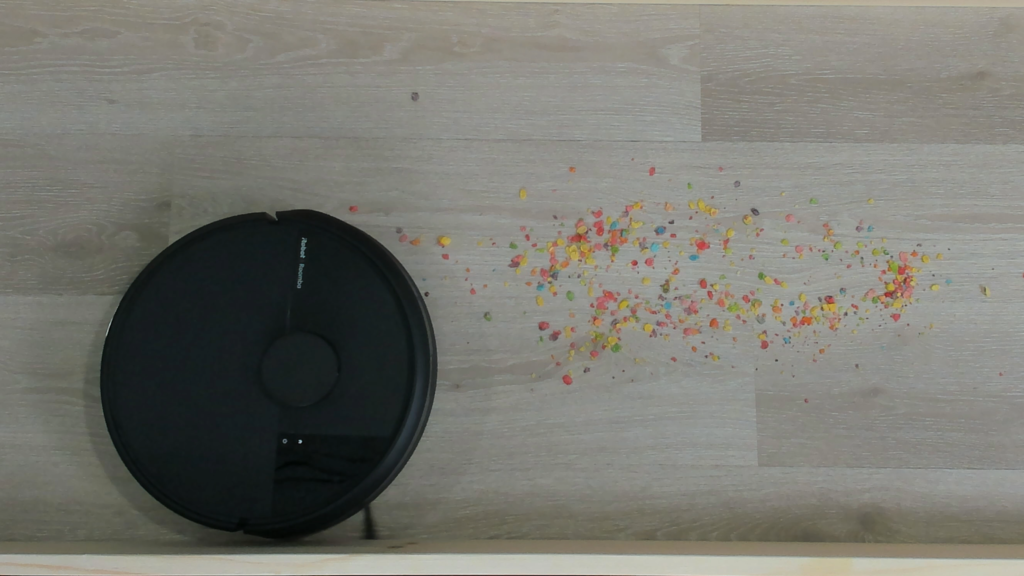
In day-to-day cleaning tests, the Roomba 105 performed better than expected. In our high-traffic, pet-friendly testing environment, it handled dust, crumbs, and pet hair reliably across a variety of floor types. For routine maintenance cleaning, it proved more than capable.
Hair tangling on the main brush roller was still present, though that isn’t particularly surprising given the vacuum lacks the conical or split brush designs many competing brands now use to reduce hair wrap. This is one area where iRobot still feels behind the competition. More advanced brush systems have become increasingly common, especially on premium models, and they can make a huge difference for homes with pets or long hair.
That said, the Roomba 105 still delivered strong practical cleaning results overall. It may not dominate in raw specifications, but in real-world use it consistently cleaned more effectively than some of the numbers might suggest.
Suction, Airflow, and Noise Levels
One welcome change is that iRobot now publicly lists suction power figures for its newer models. The Roomba 105 is rated at 7,000Pa of suction, which is respectable for an entry-level robot vacuum even if it falls below the average of the higher-end models we’ve tested.
During our carpet airflow testing, the Roomba 105 achieved 395 feet per minute, slightly below our overall category average of 420 FPM. However, it also represents the strongest airflow performance we’ve ever measured from an iRobot robot vacuum, which shows that the company is making meaningful progress in raw cleaning capability.
The robot also produced above-average airflow pressure in our in-use testing, helping it achieve a practical cleaning score of 90 out of 100 compared to the overall average score of 88. In other words, while the Roomba 105 doesn’t necessarily impress on paper, its actual cleaning performance ends up being stronger than expected.
Noise levels were also fairly reasonable. The robot measured roughly 2 decibels louder than average during operation, though in everyday use the difference was barely noticeable.
The Convenience of the Auto-Empty Dock
One of the standout features available with the Roomba 105 is the optional self-emptying dock. The system is compact, simple to use, and adds a noticeable level of convenience to the overall experience.
Depending on how often you run the vacuum and how much debris your home collects, you may be able to go several months without manually emptying the dustbin. For busy households or pet owners, that’s a significant quality-of-life upgrade.
The main tradeoff, of course, is the continued use of disposable vacuum bags, which adds an ongoing maintenance cost over time. Some users won’t mind this at all, while others may prefer bagless alternatives offered by competing brands.
Smart Features and Daily Usability
Feature-wise, the Roomba 105 includes most of the essentials buyers expect from a modern robot vacuum. The iRobot Home app supports smart mapping, no-go zones, scheduled cleaning, room-specific targeting, and multi-floor mapping for up to three maps. Voice assistant integration is also available through Amazon Alexa and Google Assistant.
The problem isn’t the lack of features — it’s the execution of the software experience itself. On paper, the Roomba 105 is fairly competitive for an entry-level robot vacuum. But the app’s awkward interface and occasional sluggishness prevent the overall experience from feeling as polished as it should.
Final Thoughts
The iRobot Roomba 105 feels like a meaningful, if somewhat cautious, evolution of iRobot’s entry-level lineup. The addition of LiDAR navigation and dramatically faster mapping finally brings the Roomba experience closer to modern standards, while everyday cleaning performance is solid enough for most homes.
At the same time, the software experience remains the product’s biggest weakness. The unintuitive app interface, combined with the lack of advanced obstacle avoidance and anti-tangle brush technology, makes the Roomba 105 feel slightly behind some of its competitors in the same price range.
Still, for users who prefer the Roomba ecosystem and want a more affordable entry point, the Roomba 105 is a respectable option that performs reliably in everyday cleaning tasks. It may not completely redefine the category, but it does show that iRobot is slowly moving in the right direction.
iRobot Roomba 105 Vac Robot Vacuum with AutoEmpty Dock - Self-Empties for 75 Days, Easy to use, Intense Power-Lifting Suction, LiDAR Navigation, Multi-Surface Cleaning, Cleans in Neat Rows
- Powerful suction
- Hands-free emptying
- LiDAR navigation
- Versatile controls
- Basic obstacle avoidance
- Lacks advanced mopping
- Battery efficiency
Leave feedback about this