


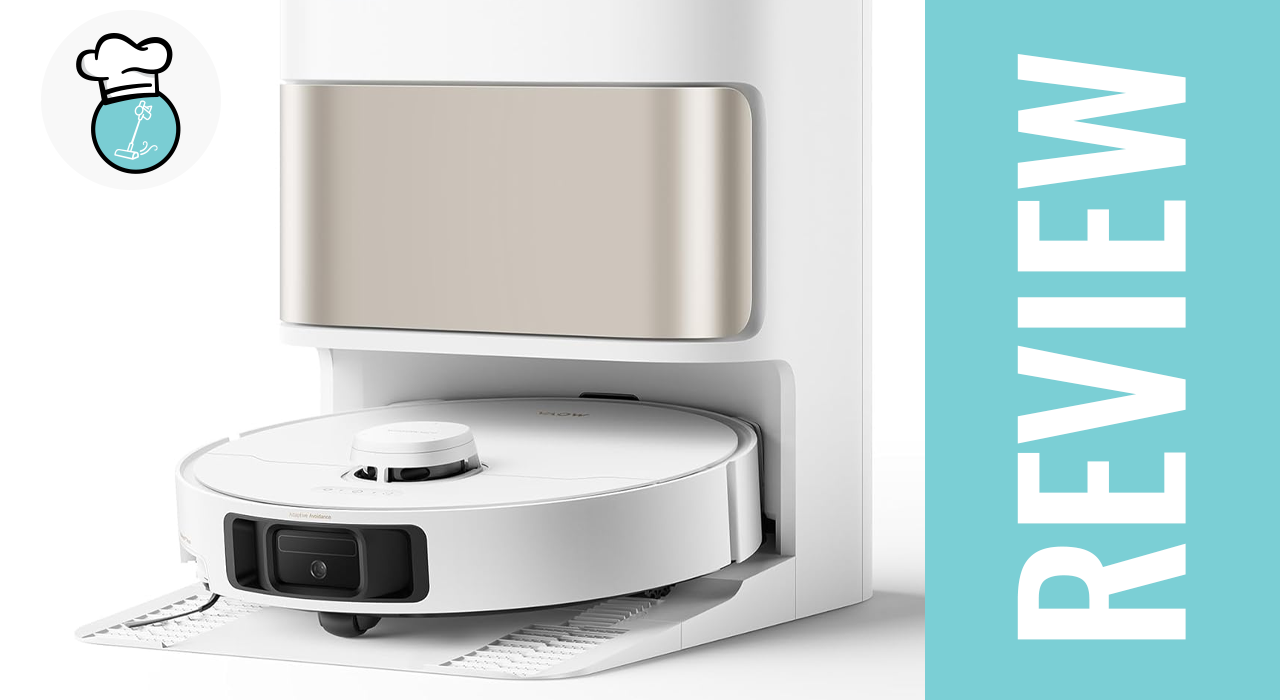
The Mova P10 Pro Ultra Gen 2 is the direct successor to the original P10 Pro Ultra — a model that earned a spot as one of our top mid-range robot vacuum picks. After testing more than 135 robot vacuums on the channel and spending time with seven different Mova models, we were especially curious to see how this updated version would perform.
Mova may still be a relatively new brand, but our experience so far has been consistently positive. The Gen 2, however, introduces some surprising changes — and not all of them are upgrades.
This unit was sent to us by Mova for testing, but this review is not sponsored. As always, you’re getting our honest, unbiased take.
Mova P10 Pro Ultra Gen2 Robot Vacuum and Mop, 26,000Pa Suction, 212 F Hot Water Auto Mop Washing, 1-Hour Hot Air Drying, Extenable Mop, All-in-One Dock, Triple Anti-Tangle System for Home


Setup and First Impressions
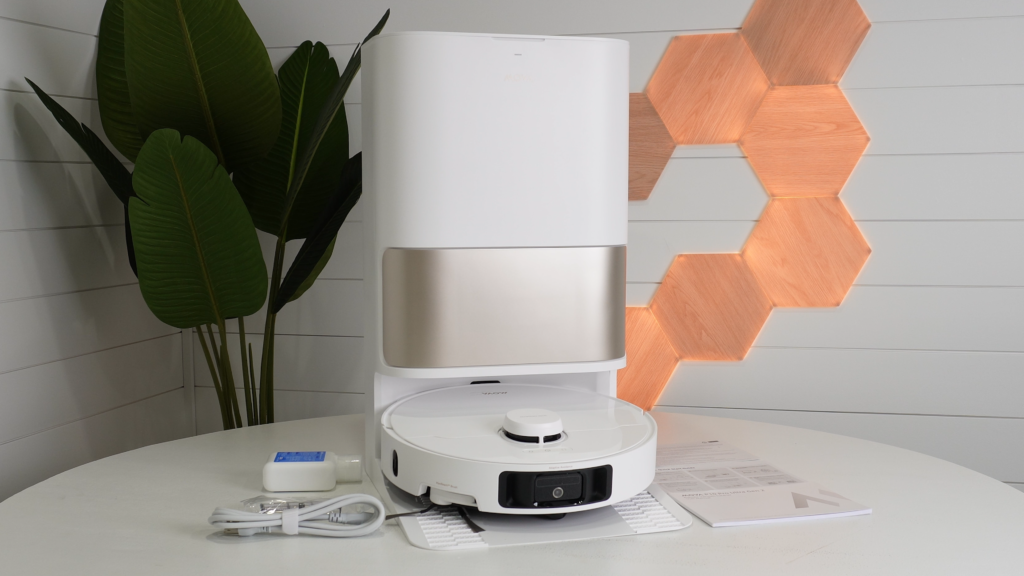
Out of the box, setup is refreshingly straightforward. After plugging in the dock, attaching the magnetic mop pads, filling the clean water tank, and adding the included cleaning solution, the robot is ready to charge. Once connected to the Mova Home app, you can begin mapping and cleaning within minutes.
One small packaging change worth noting: while the original Gen 1 model included a cleaning brush but no extra filter, Gen 2 includes an extra filter instead. It’s a minor shift, but one that pet owners may appreciate.
Initial impressions are strong. The design feels polished, the dock is substantial without being overwhelming, and the overall system gives off a premium vibe despite sitting in the mid-range category.
Gen 1 vs. Gen 2: Not a Straight Upgrade
Here’s where things get nuanced.
Both the Gen 1 and Gen 2 use LDS navigation combined with a line laser for obstacle detection. However, the original Gen 1 model included an RGB AI camera suite — and that’s completely absent on the Gen 2.
That means no camera-based object recognition and no live video monitoring. There’s also no LED light on the front, which makes sense given the camera removal. Still, it’s an unexpected step backward in smart navigation technology. In this case, newer doesn’t automatically mean better.
Interestingly, at the time of our testing, both generations were priced similarly. That makes the trade-offs even more important to consider.
Suction Power: A Meaningful Performance Boost
Where the Gen 2 clearly moves forward is suction. It boasts an impressive 26,000 Pascals of suction power — double that of the Gen 1 model and nearly triple the category average.
In our carpet deep-cleaning tests, that extra power translated into real-world gains. The Gen 2 scored a 95 out of 100, placing it seven points above the category average and ten points higher than the original version. That’s a noticeable improvement in embedded dirt removal.
What’s interesting is that lab airflow and pressure readings didn’t necessarily reflect that leap forward. In-use airflow measured slightly below category average, and pressure numbers were also modest. Yet when it came to actual carpet cleaning performance, the results were undeniably better. Ultimately, real-world cleaning matters more than isolated lab metrics — and here, the Gen 2 delivers.
The increased suction does come with more noise. On max power, it reaches around 77 dB, roughly four decibels louder than average. That said, it matches the Gen 1 in noise output while cleaning more effectively. Any robot running at full suction will be loud, and in this case, the trade-off feels justified.
Brush System and Hair Handling
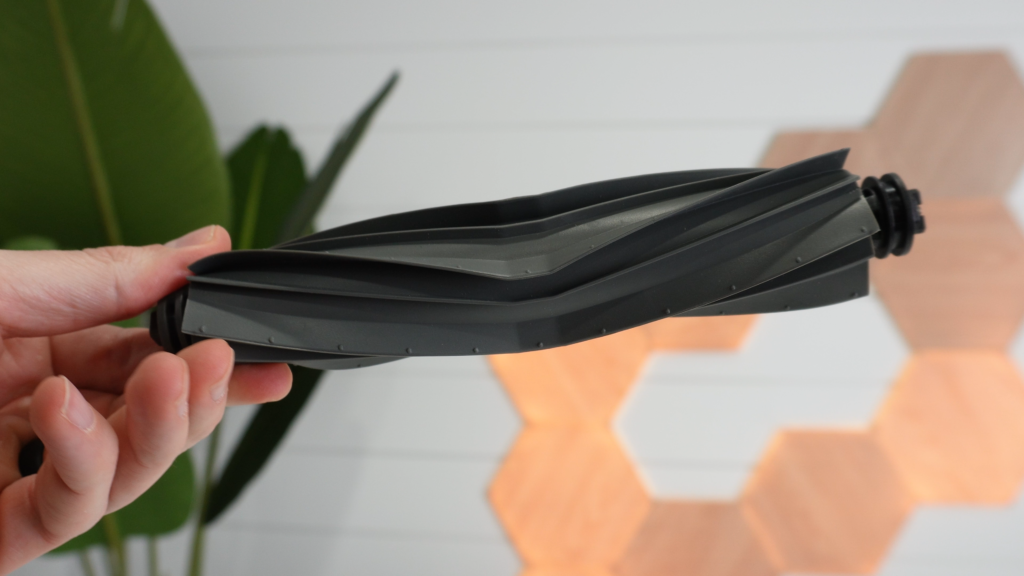
The Gen 2 uses the same rubber main brush design as its predecessor, but it does not include a conical anti-tangle roller or Mova’s TriCut brush as a standard feature. For pet owners, that feels like a missed opportunity — especially given how common anti-tangle brush designs have become in this price range.
The good news is that the TriCut brush can be purchased separately, and if you have pets or long hair in your home, it’s a worthwhile upgrade. Hair handling has improved somewhat thanks to changes around the omni-directional wheel, reducing tangling compared to Gen 1. It’s not fully tangle-proof, but it’s noticeably better.
Mopping Performance: The Real Standout
If there’s one area where the Mova P10 Pro Ultra Gen 2 truly shines, it’s mopping.
The Gen 2 increases mop speed from 180 RPM to 260 RPM and boosts downward pressure from 8 Newtons to 12 Newtons — right in line with the current category average. In practical terms, that translates to better agitation and more effective stain removal.
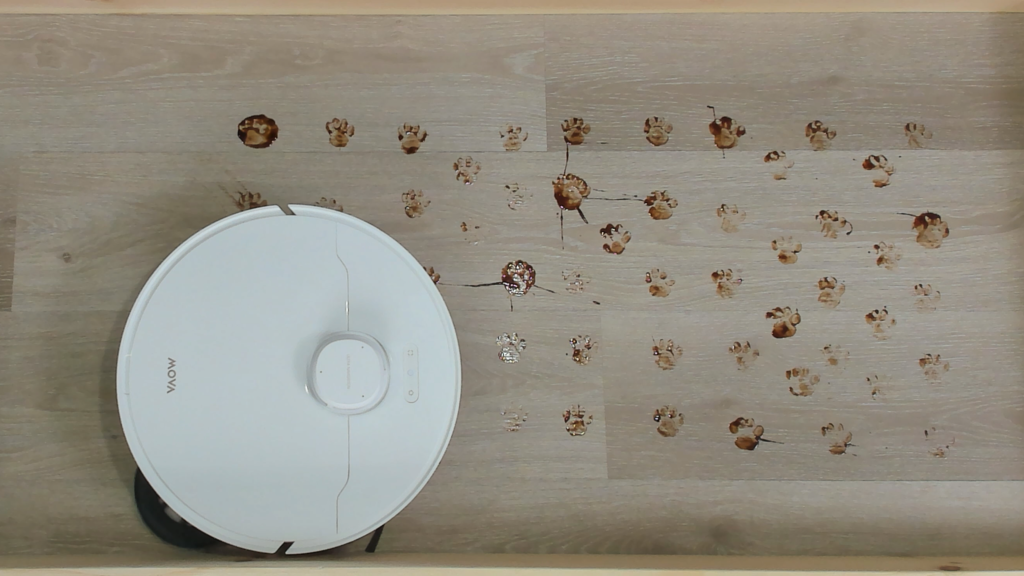
In our testing on luxury vinyl plank flooring, results were impressive. The floors looked clean and evenly polished, and the robot handled daily debris — including pet hair, crumbs, and fine dust — without issue.
The dock also sees meaningful improvements. Hot water mop washing increases from 70°C to 75°C, and charging speeds are about 30% faster than before. The system automatically washes the mop pads, dries them with hot air, and dispenses cleaning solution from a dedicated tank. That level of automation significantly reduces manual maintenance and keeps odors at bay.
While it doesn’t include higher-end extras like ozone water treatment or silver ion modules, those features aren’t typically expected at this price point.
Obstacle Avoidance: The Biggest Compromise
The removal of the RGB AI camera has a measurable impact on obstacle avoidance. In our testing, the Gen 2 scored 50% overall — below the 68% category average.
Performance was particularly weaker on carpet, where smaller objects were more likely to be bumped or pushed. On hard floors, results improved noticeably, suggesting that homes with primarily hard surfaces will see fewer issues.
Still, compared to the Gen 1 model, which performed better in this area, this feels like a clear step backward. For households with lots of cords, toys, or clutter, this trade-off deserves careful consideration.
Battery Efficiency
When it comes to battery performance, we focus on efficiency — how much square footage the robot can realistically clean.
On low suction over hard floors, the Gen 2 covered just under 2,000 square feet, slightly below category average. However, on max suction over carpet, it exceeded average coverage slightly. Interestingly, this robot appears more efficient at higher suction levels than lower ones — an uncommon but welcome trait for those who prefer running their vacuum at stronger settings.
App Experience
The Mova Home app provides a robust set of controls, including multi-floor mapping, no-go zones, custom room cleaning, and support for Amazon and Google voice assistants. There’s even a built-in voice assistant for hands-free commands.
While the app currently holds a slightly below-average store rating, our hands-on experience has been very positive. It’s one of the more feature-rich and thoughtfully designed platforms available, though it does have a small learning curve due to the depth of customization it offers.
After using nearly every major robot vacuum app on the market, this remains one of our personal favorites.
Customer Feedback and Value
Customer reviews have been largely positive, averaging around 4.2 stars. Users frequently highlight strong suction, fast mapping, straightforward setup, and overall value. Some have noted weaker performance on dried-on stains and occasional navigation inconsistencies — issues we observed to a lesser degree in our testing.
Perhaps the most compelling part of the equation is price. The P10 Pro Ultra Gen 2 sits roughly $200 below the category average while delivering above-average cleaning performance. That gives it an excellent price-to-performance ratio.
Final Verdict
The Mova P10 Pro Ultra Gen 2 isn’t a simple upgrade over its predecessor — it’s a strategic shift. Mova clearly prioritized raw cleaning performance, mopping improvements, and overall value while dialing back advanced navigation features.
You’re getting exceptional suction, genuinely impressive mopping automation, a feature-rich dock, and one of the better apps in the category — all at a competitive price. What you’re giving up is advanced camera-based object recognition and stronger obstacle avoidance.
If your home is primarily hard flooring and you value cleaning power and automation over cutting-edge navigation intelligence, the Mova P10 Pro Ultra Gen 2 makes a lot of sense. Just go in understanding that it’s not better in every category — but where it does improve, it improves meaningfully.
Mova P10 Pro Ultra Gen2 Robot Vacuum and Mop, 26,000Pa Suction, 212 F Hot Water Auto Mop Washing, 1-Hour Hot Air Drying, Extenable Mop, All-in-One Dock, Triple Anti-Tangle System for Home