
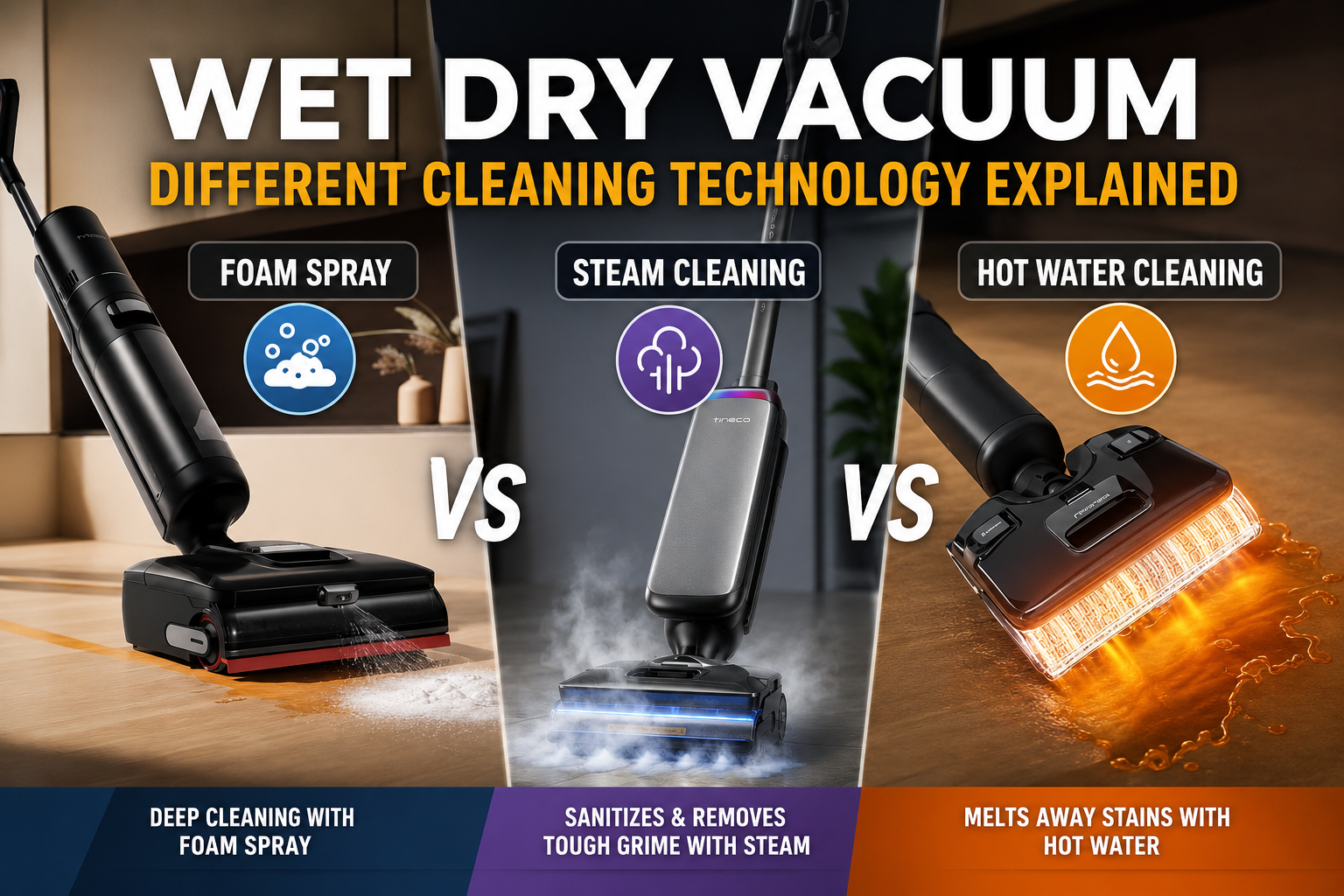
When shopping for a wet dry vacuum, you’ll quickly notice that not every machine cleans in the same way. While they may look similar on the outside, the technology inside can make a significant difference in how effectively they tackle different types of dirt and stains. Some models use foam spray to encapsulate grime, others harness the power of steam, and some rely on heated water to break down grease and residue.
Understanding how each cleaning method works can help you choose a machine that best suits your home, cleaning habits, and the types of messes you encounter most often.
Foam Spray Cleaning: Versatile for Everyday Messes
Foam spray cleaning combines a cleaning solution with air to create a rich foam that clings to dirt rather than simply spreading liquid across the floor. As the foam sits on the surface, it works to loosen grime while surrounding dirt particles, making them easier for the vacuum to lift away.
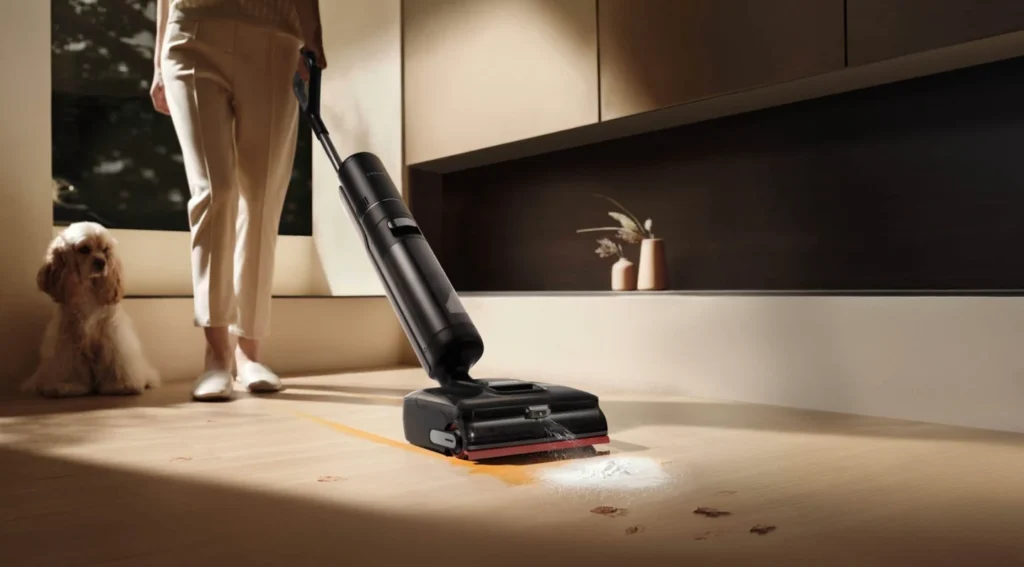
This technology is particularly effective for everyday household cleaning because it performs well across a wide variety of common messes. Sticky spills, food residue, pet accidents, muddy footprints, and greasy kitchen floors can all benefit from the extended contact time that foam provides. Instead of allowing dirt to smear across the floor, the foam helps lift and suspend it until it’s vacuumed away.
Because foam uses less free liquid than traditional mopping, floors often dry more quickly while still receiving a thorough clean. For households that vacuum and wash their floors several times a week, foam spray technology offers an excellent balance between cleaning performance and convenience.
While foam spray is highly versatile, it performs best on fresh or moderately soiled surfaces. Extremely hardened or deeply embedded stains may require a more intensive cleaning method.
Steam Cleaning: Heat for Deep Cleaning
Steam cleaning takes a different approach by using high-temperature steam to soften dirt and grime. Rather than relying primarily on detergents, steam penetrates stubborn residue with heat, helping loosen stains that have dried onto the floor over time.
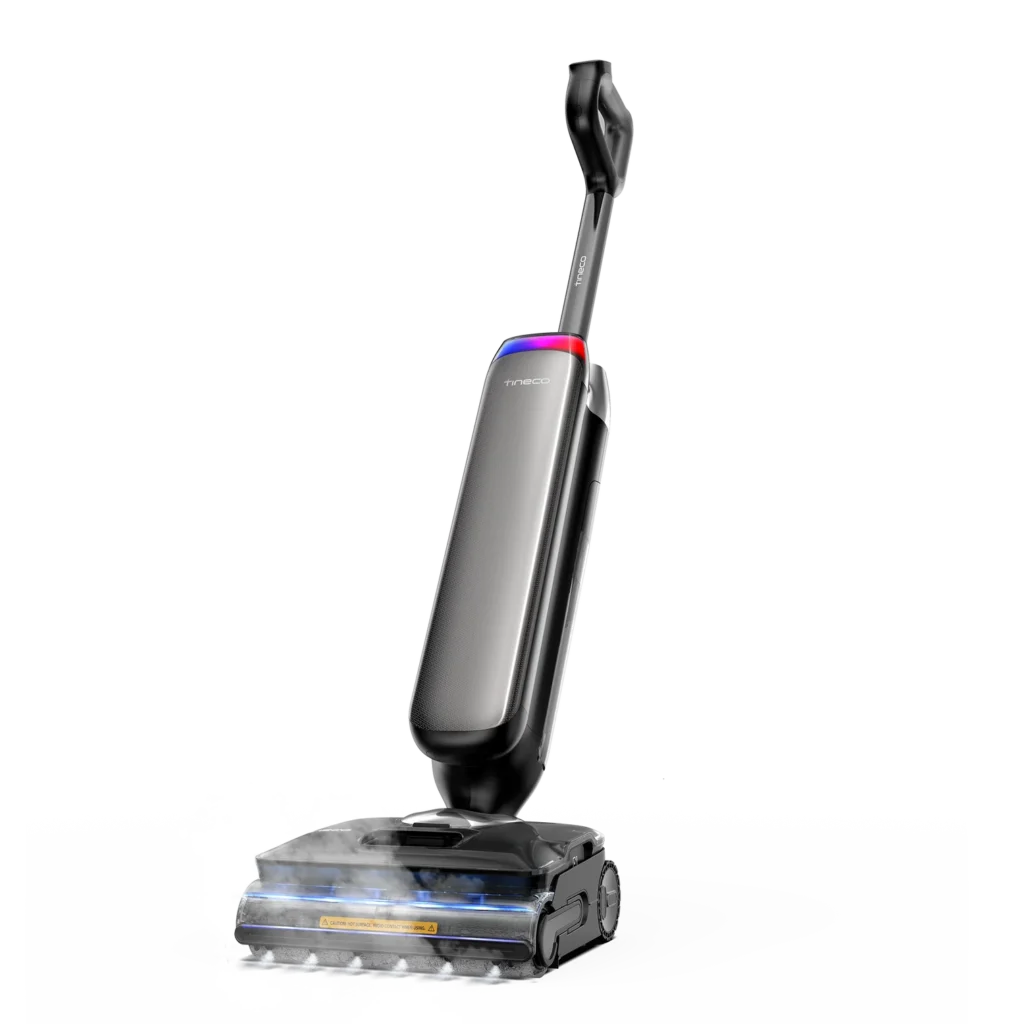
One of the biggest advantages of steam cleaning is its ability to clean with minimal chemical assistance. The high temperatures can also help sanitize hard surfaces, making steam a popular choice for kitchens, bathrooms, laundry rooms, and other spaces where cleanliness is especially important.
Steam cleaning is particularly useful when dealing with dried food spills, soap scum, or stubborn dirt that regular washing struggles to remove. The heat helps break down these deposits, allowing them to be wiped or vacuumed away more easily.
However, steam isn’t suitable for every flooring material. Certain hardwood floors, laminate flooring, and other moisture-sensitive surfaces may not be recommended for steam cleaning. Before using any steam cleaner, it’s important to check your flooring manufacturer’s care guidelines.
Hot Water Cleaning: The Grease Specialist
Hot water cleaning relies on heated water rather than steam to improve cleaning performance. The elevated water temperature helps dissolve oils, grease, and other residues that are often difficult to remove with cold water alone.
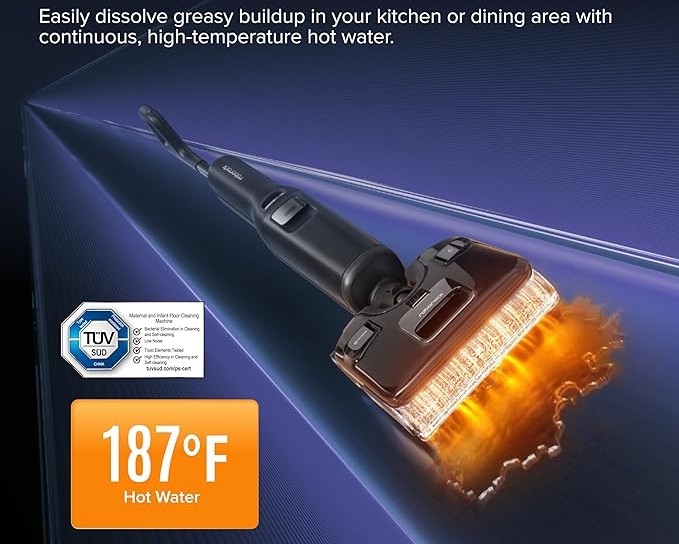
This makes hot water cleaning especially effective in kitchens and dining areas, where cooking oils and food residue naturally accumulate over time. Heated water cuts through greasy films much more efficiently, allowing the vacuum to lift away loosened residue with less effort.
Unlike steam, which focuses on high-temperature vapor, hot water cleaning delivers moisture directly to the floor surface, making it ideal for routine washing of greasy spaces. For many households, this technology provides an excellent solution for keeping frequently used cooking and dining areas looking their best.
While hot water performs exceptionally well against oily messes, it may not be as effective as steam when dealing with heavily dried or hardened stains that require deeper heat penetration.
Which Cleaning Technology Is Best?
The truth is that there isn’t a single cleaning technology that’s superior in every situation. Each has been developed to solve different cleaning challenges.
Foam spray is the most versatile option for everyday household maintenance. It excels at handling a wide range of messes, from sticky spills and pet accidents to everyday dirt and light grease. If your goal is consistent, regular floor cleaning throughout the home, foam spray offers excellent all-around performance.
Steam cleaning is designed more for deep cleaning. Its ability to soften stubborn grime with high heat makes it particularly useful for dried-on stains and areas where extra sanitation is desired. It’s often the preferred choice when occasional intensive cleaning is more important than daily maintenance.
Hot water cleaning sits somewhere in between, offering outstanding performance against grease and oily residue. Homes where cooking is frequent may find this technology especially beneficial, as heated water naturally breaks down grease faster than cold water.
Choosing the Right Wet Dry Vacuum
When comparing wet dry vacuums, it’s worth thinking about the types of messes you clean most often rather than simply looking at the technology itself.
If your household regularly deals with pets, children, everyday spills, and general floor maintenance, foam spray technology offers the flexibility needed for routine cleaning across multiple rooms. If your priority is tackling stubborn grime in bathrooms or periodically deep cleaning hard floors, steam cleaning may be a better fit. And if greasy kitchen floors are your biggest cleaning challenge, a hot water cleaning system can make routine maintenance significantly easier.
Final Thoughts
Modern wet dry vacuums have evolved well beyond simply vacuuming and mopping at the same time. Whether they use foam spray, steam, or hot water, each cleaning technology has been designed with a specific purpose in mind.
Foam spray delivers outstanding versatility for everyday cleaning, steam provides powerful deep-cleaning performance with the help of high temperatures, and hot water excels at dissolving grease and oily residue. By understanding these differences, you can choose a wet dry vacuum that matches your home’s unique cleaning needs and delivers the best results where it matters most.